

how to build an emergency fund fast:- Life is unpredictable. One day everything feels normal, and the next day you may face an unexpected car repair, medical bill, or even job loss. That’s why having an emergency fund is no longer optional in 2026—it’s essential.
If you think building savings is impossible because your income is low, you’re not alone. Millions of Americans struggle to save money every month. But the truth is simple: building an emergency fund is possible, even if you start small. Understanding how money flows in an economy can also improve your financial decisions. You can read our guide on Finance Commission of India for UPSC.
In this guide, you’ll learn how to build an emergency fund fast, the smartest saving strategies, and how to stay consistent without feeling financially stressed.
🚨 What Is an Emergency Fund?
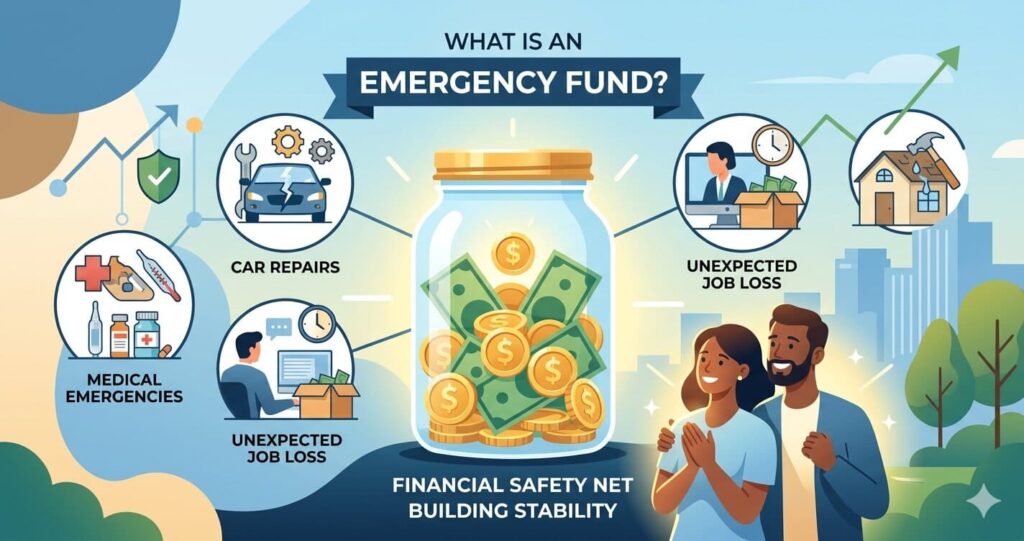
An emergency fund is money set aside specifically for unexpected expenses. It acts like a financial safety net.
Examples include:
- Medical emergencies
- Car repairs
- Job loss
- Home repairs
- Unexpected travel expenses
Unlike regular savings, this money should only be used for real emergencies.
According to the Consumer Financial Protection Bureau, having emergency savings can reduce financial stress and prevent debt during difficult times.
💵 How Much Emergency Fund Do You Need?
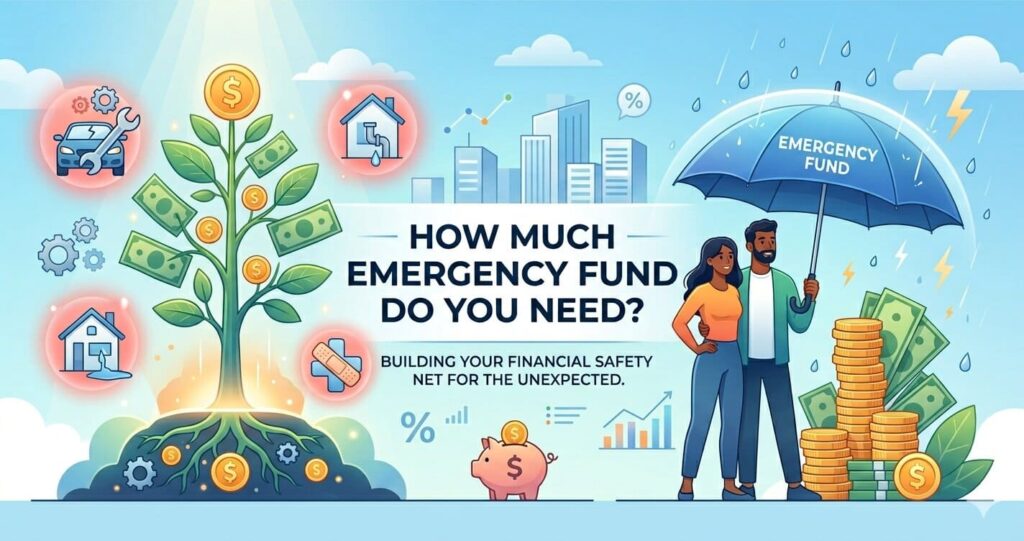
A common rule says you should save 3 to 6 months of living expenses.
For example:
If your monthly expenses are $2,000:
- 3 months = $6,000
- 6 months = $12,000
But if that sounds overwhelming, start smaller.
🎯 Beginner Goal:
Start with:
- $500 first
- Then $1,000
- Then one month of expenses
Small goals feel easier and build momentum.
⚡ Why Building an Emergency Fund Matters in 2026
The economy is changing fast. Inflation, layoffs, and rising living costs make savings more important than ever.
Here’s why:
✅ Avoid Debt
Without savings, many people rely on credit cards.
✅ Reduce Financial Stress
Knowing you have backup money improves peace of mind.
✅ Stay Independent
Emergency funds give you freedom during difficult times.
The Federal Reserve has often highlighted that many Americans still struggle with unexpected expenses, which shows how important savings are.
📊 Step 1: Track Your Monthly Spending
Before saving, know where your money goes.
Write down:
- Rent
- Food
- Transport
- Bills
- Entertainment
Use budgeting apps or spreadsheets.
Pro tip: Read our internal guide on best budgeting apps for beginners to manage expenses better.
This helps you identify spending leaks.
✂️ Step 2: Cut Unnecessary Expenses
Saving faster means spending smarter.
Look for:
☕ Coffee & Snacks
A $6 coffee daily = over $180/month.
📺 Unused Subscriptions
Cancel what you don’t use.
🍔 Food Delivery
Cook more often.
Cutting just $200/month can build $2,400/year.
That’s a powerful start.
🏦 Step 3: Open a Separate Savings Account
Keep emergency money separate.
Why?
- Less temptation
- Better tracking
- Faster growth
A high-yield savings account can help earn extra interest.
The FDIC recommends using insured banks for safer savings.
🔄 Step 4: Automate Your Savings
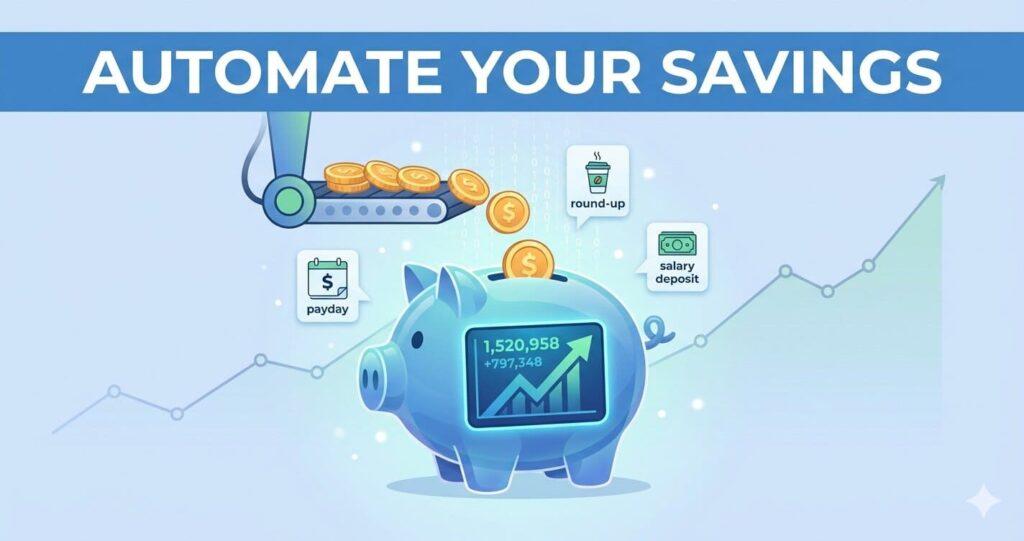
Automation removes excuses. Technology is changing the way we save and manage money. Learn how modern networks impact digital finance in our guide on 5G Technology: Internet Ki Tez Duniya Aur Uska Asar.
Set:
- $25 weekly
- $50 bi-weekly
- $100 monthly
Even small automatic transfers build consistency.
Example:
$50/week = $2,600/year
That’s without thinking about it.
💡 Step 5: Use Extra Income Wisely
Got extra cash?
Save it.
Examples:
- Tax refunds
- Freelance income
- Bonuses
- Cashback rewards
- Side hustles
Instead of spending it, put 70–100% into your emergency fund.
This can speed up your progress dramatically.
📱 Step 6: Try the 50/30/20 Budget Rule
This simple rule helps balance money:
- 50% needs
- 30% wants
- 20% savings
If your income is low, adjust it:
Example:
- 60% needs
- 25% wants
- 15% savings
Read our guide on personal finance tips for beginners for more saving strategies.
🚫 Mistakes to Avoid
Many beginners make these mistakes:
❌ Starting Too Big
Huge goals feel impossible.
❌ Using Savings for Non-Emergencies
Vacations are not emergencies.
❌ Keeping Cash Easily Accessible
Too much access can increase spending.
❌ Not Rebuilding After Use
Always refill after spending.
📈 How to Build an Emergency Fund Faster
Want to speed it up?
Try these:
- Sell unused items
- Start a side hustle
- Reduce impulse buying
- Use cashback apps
- Save raises and bonuses
Even an extra $200–$300 monthly can make a big difference.
🧠 Best Mindset for Saving Money
Saving is not about how much you make.
It’s about consistency.
A person saving $10 weekly is building a stronger habit than someone waiting for “more money.”
Remember:
Small savings become big over time.
Progress matters more than perfection.
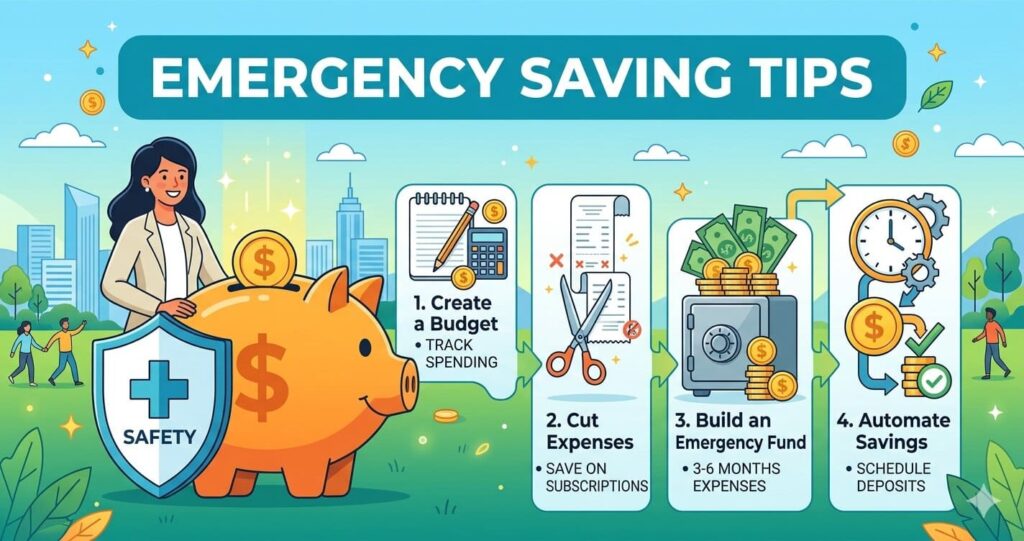
🔥 Final Thoughts
Building an emergency fund fast in 2026 is possible—even on a low income.
Start small.
Stay consistent.
Automate the process.
Cut wasteful spending.
Use extra income wisely.
Your future self will thank you.
Financial emergencies will come. The question is:
Will you be ready?
Start today—even if it’s just $10.
As technology grows, financial tools are becoming smarter. You can also explore future innovations in our article on TinyML on Arduino for Smart Home Projects.
2 thoughts on “How to Build an Emergency Fund Fast in 2026 (Even on a Low Income)”